 Probably won’t get an opportunity to blog again till we are back in Perth, so two posts today.
This one is still about the Eyre Bird Observatory.
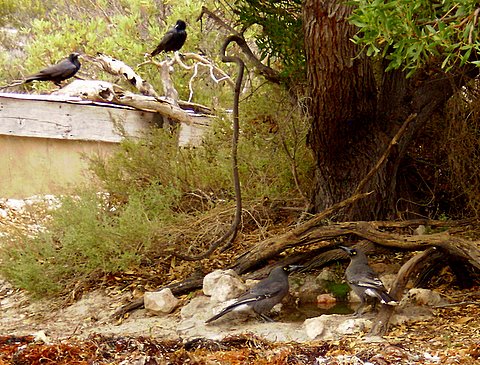
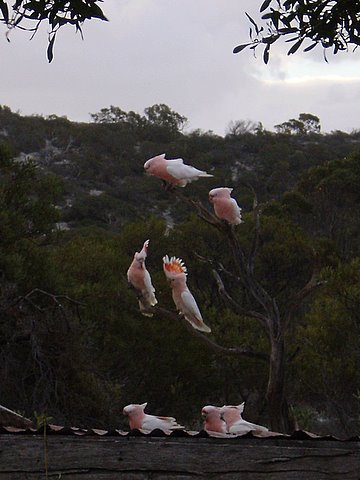
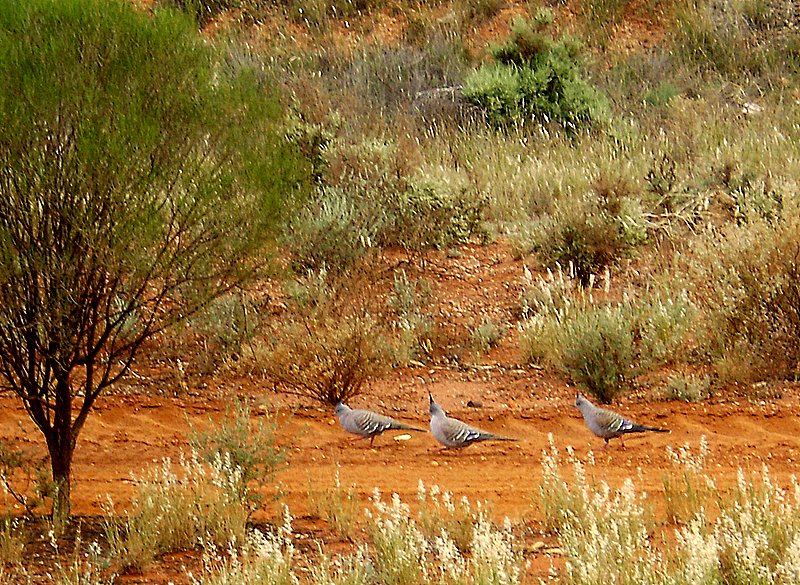
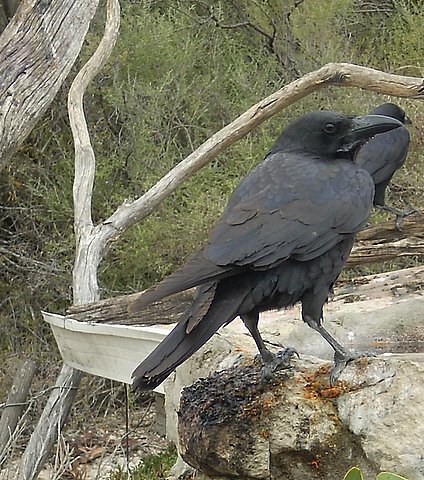 While having meals on the verandah, we watched the birds come down to the water holes to drink – evil-looking ravens, flamboyant Major Mitchell Cockatoos posturing with their crests to frighten off the former, Silver-eyes, numerous honey-eaters, currawongs, and the magnificent Brush Bronzewing pigeons, the latter absurdly regal for such cowards. They would stalk in, backtracking every time there was an unexpected noise or movement, as if in some pointless, stately dance. Sometimes their nervous agitation was such they flew away without drinking.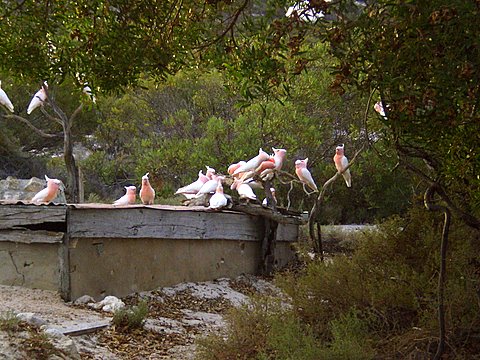
All this, just a couple of metres away from where we sat, entranced, at our meal or coffee.
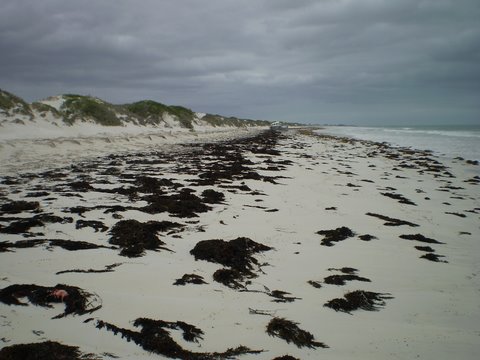
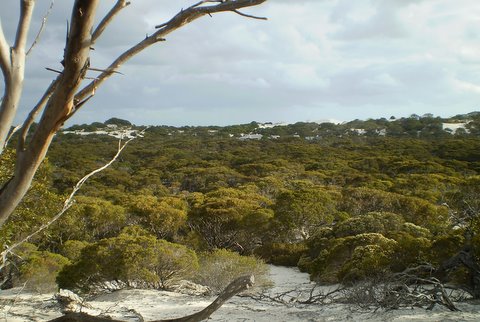
We went for lots of walks – down to the sea, through the woodlands, over the dunes.
On our second night there, when I went outside in the middle of the night, the sky was clear, the night moonless. And in the desert air, I saw something I haven’t seen for years, a sight few ever see these days. I saw the Milky Way.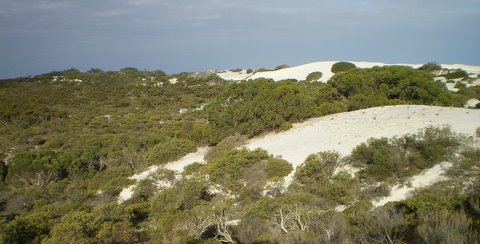
 Yes, I know many of you will say you have, but unless you have stood under a desert sky on a moonless night when the ONLY light is that of the stars – you won’t really know what I mean. I have never seen this in Malaysia, for example, because there is always too much water vapour in the air. You never see it in any city anywhere either, because the air is too polluted and the competition from other light sources too intense.
 The stars blazed – there is no other word for it – large and glitteringly brilliant in a band across the sky – and through it all the milky clouds of the galaxy are entwined (formed, I suppose, of the myriad of distant stars too small to be seen with the naked eye). These clouds are mist on a trail of cut diamonds, and when you see it, you know why it earned the name Milky Way.
 Alas, few people see it any more. We pay a price for progress.
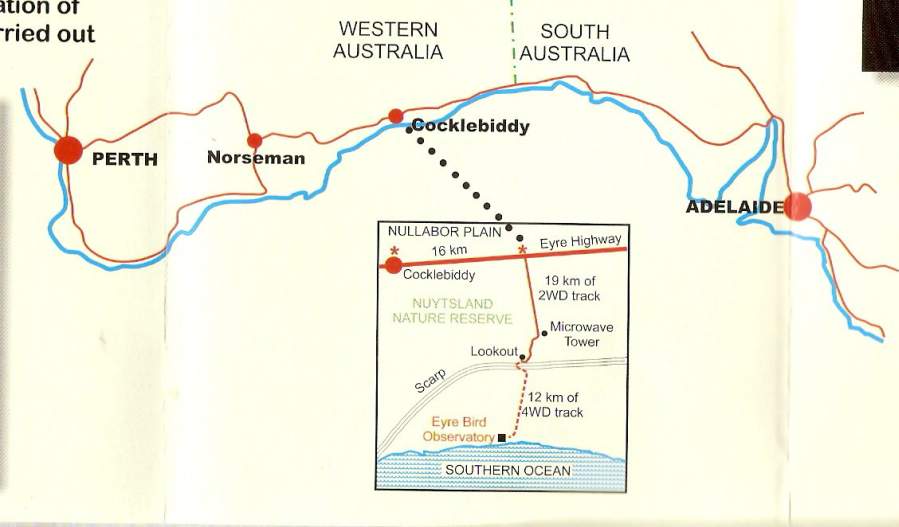
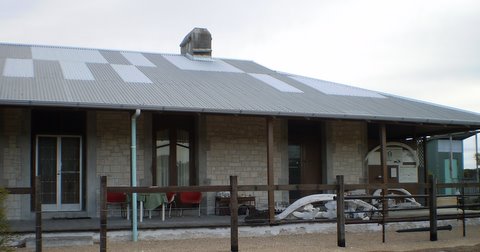
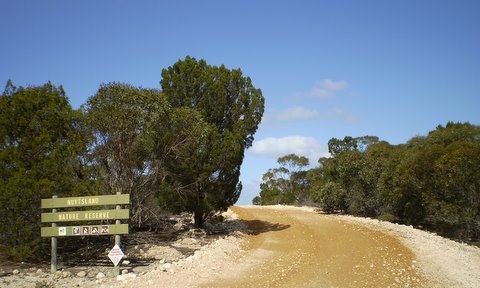 This is a 4WD track that wends its steep way over the escarpment from the Nullabor Plains down to the coastal plains – and to the old telegraph station, once was one of the relay stations that sent on the messages between western and eastern Australia. The place is now run by Birds Australia, manned by volunteers.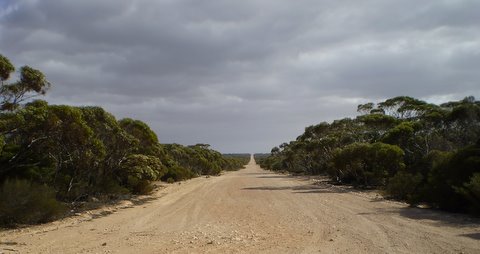
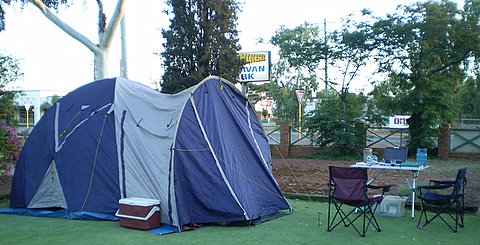
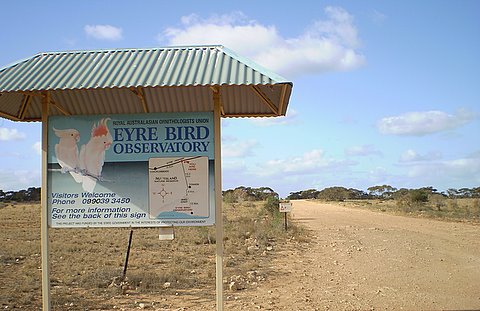 After three nights camping, it was luxurious. Even our meals were cooked for us…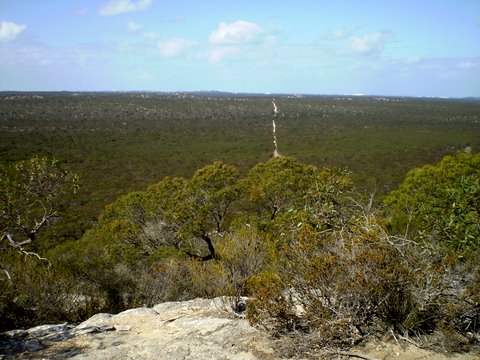
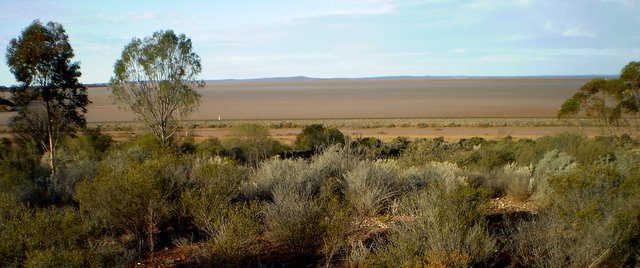
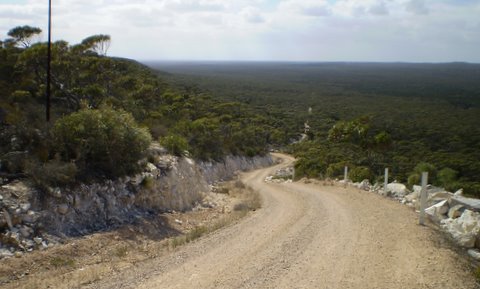 The photos show various parts ot the track, including the precipitous descent over the scarp. Tyres had to be let down in order manage the sandy track without ripping it up. The limestone house has been lovingly restored.
 The best part was, though, the birds…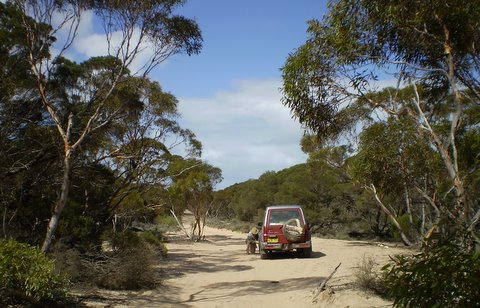
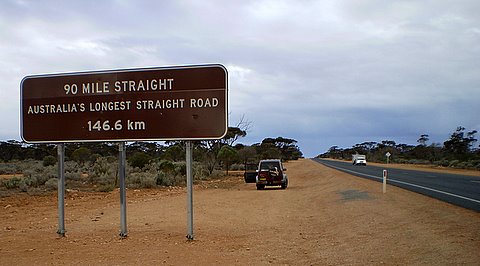
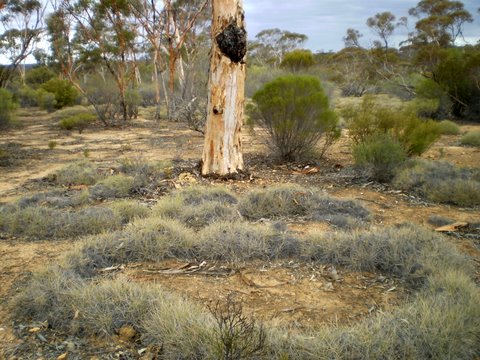
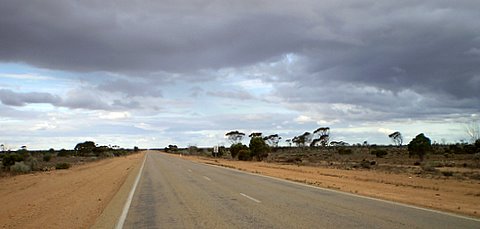
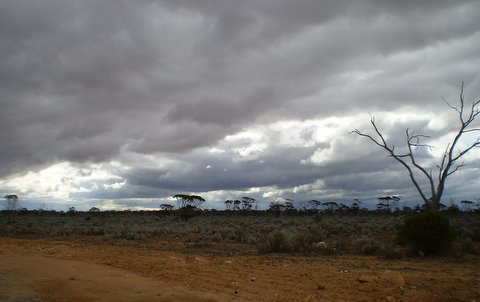
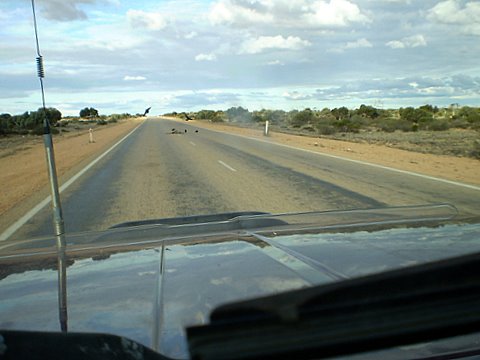
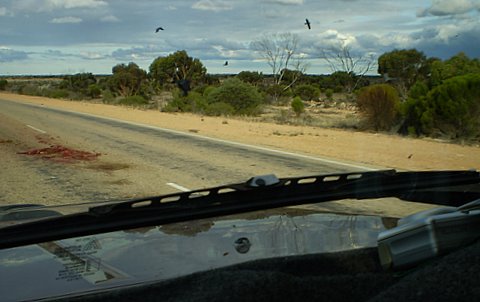
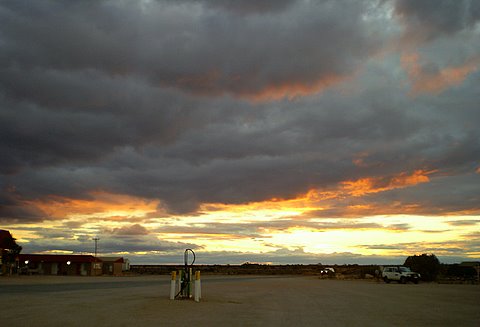
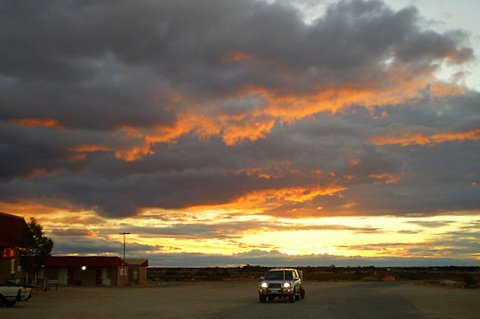
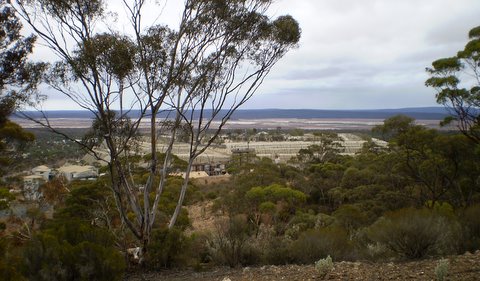
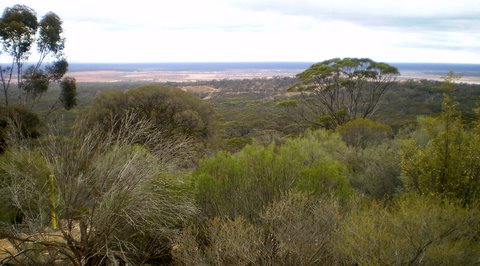
 We are actually in Esperance tonight, but I am going to backtrack a bit, because I have managed to get a good internet connection (hellishly expensive though), so I can download some photos.
 Day One continued.