Author Juliet Marillier (who lives in my home state of Western Australia) writes here about her time at the Children’s Book Council of Australia conference. She makes mention of a professor from USA who, in Juliet’s words:
“used his keynote address to slam consumer culture and what he called the ‘endumbment’ and ‘commodification’ of children through the commercialization and standardization of children’s books. He was especially damning in his criticism of publishers for giving in to commercial interests by producing books principally for entertainment – his example was a certain series aimed at girls, with various tie-in products available – rather than books that reflect community values and standards.”
Luckily Neil Gaiman was also speaking at the conference. He took up that point and disagreed with the blanket condemnation of ‘entertainment’ fiction (in Juliet’s words again):
“Neil made the most telling point (for me) of the whole conference by recalling his sense of excitement and wonder at reading a certain thrilling adventure novel as a child, then his surprise on returning to that same book as an adult and finding the prose quite flat and clunky (think Famous Five). What we writers give our readers, Neil said, is a ‘raw code’ or ‘loose architectural plan’ which they use to build the book themselves. No two readers read a book alike – it’s the reader who gives the characters faces, builds the landscape, brings life to the story. Even if the book is poorly written, it is a seed, and if it falls on fertile ground it will grow, bloom and be treasured. A book may be one of those commercial titles written for corporate profit, but it can still take root in a child’s imagination. Neil pointed out that some fine things can be grown in crap.”
Oh yes.
Better for a kid to read something with passion, than to read nothing.
When I was eight, I went through a stage of refusing to read anything except Enid Blyton. This was partially as a result of being introduced to a library for the first time in my life (on a trip to visit my grandfather in Melbourne) and discovering that Blyton had written SO many books. I was in book heaven, overdosing on delicious mindless reading… Sexist, racist, uppercrust crappy entertainment – and I loved every enthralling word.
And I still remember, fifty plus years later, the joyous, glorious pleasure of that month or so, gorging on books. I even somehow managed to grow up reasonably tolerant.
I might have been eight years old, yet the only other things I remember about that trip, apart from my grandfather, was falling off a Melbourne tram and skinning my knees, the joys of running through piles of Autumn leaves (we don’t get much of that in W.A.), pressing a doorbell for the first time in my life (my mother was mortified because I was so taken with the sound that I didn’t take my finger off it), and the smell of the scullery in my Grandfather’s house (it was gas, I realise now. I’d never smelled it before).
I was a farm kid, O.K.?

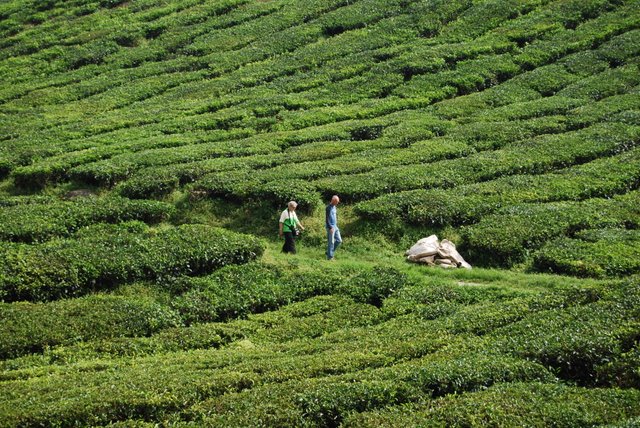 This weekend was the Wesak Day long weekend so we took our houseguest (and a fellow writer) up to Cameron Highlands.
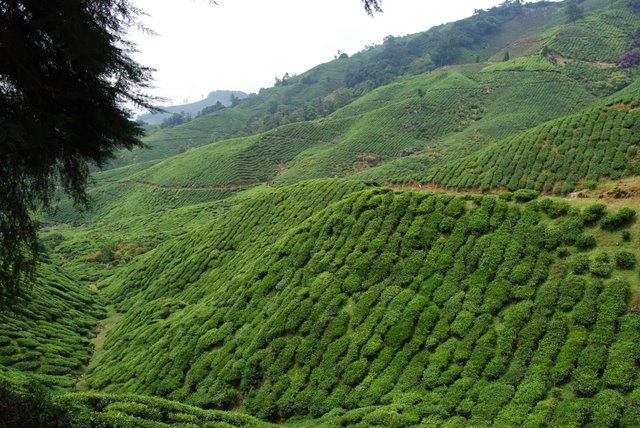 Photo 2: Note how steep the hillslopes are.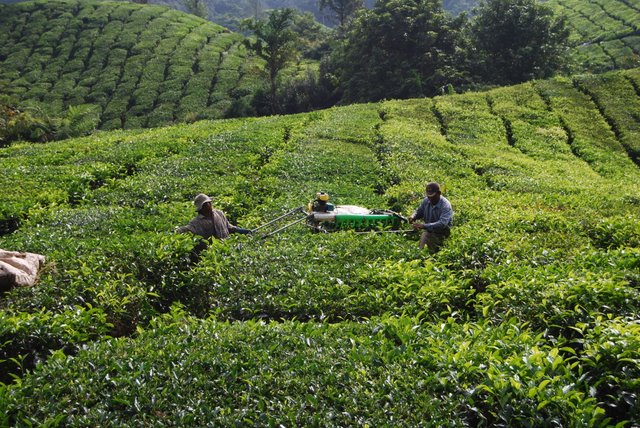


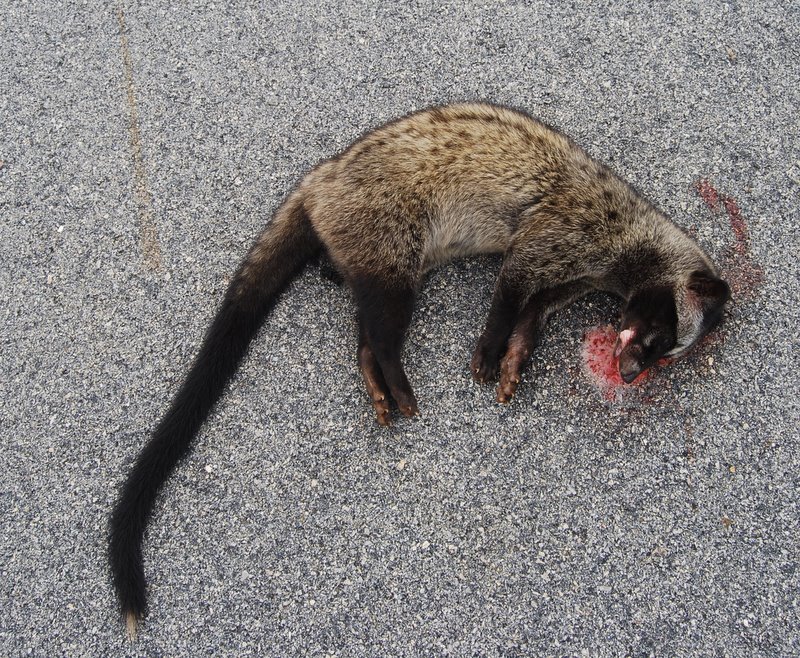 My visitor was disappointed there was no frog in the bath, though. And the civet in the ceiling seems to be suspiciously quiet. For those of you have never seen one, here’s a rather dead specimen we saw on the road on the way back from Terengganu. They are the size of a largish domestic cat with a much longer tail.
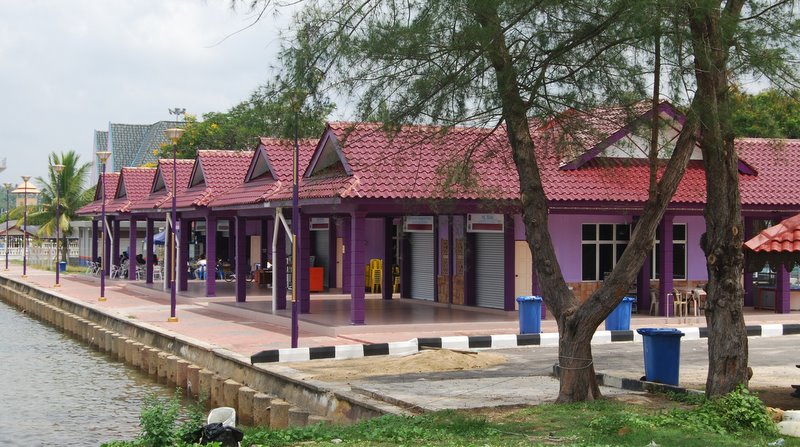
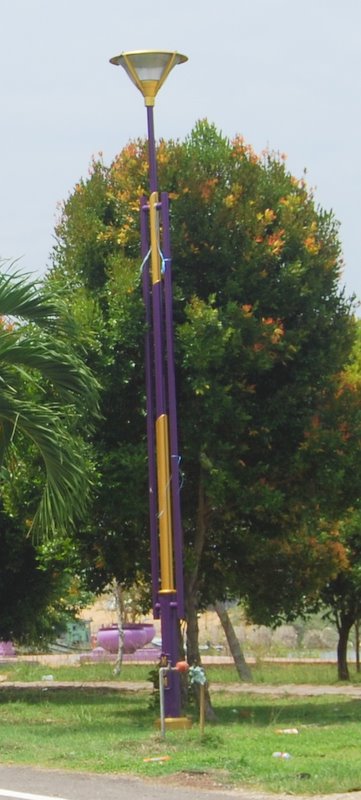
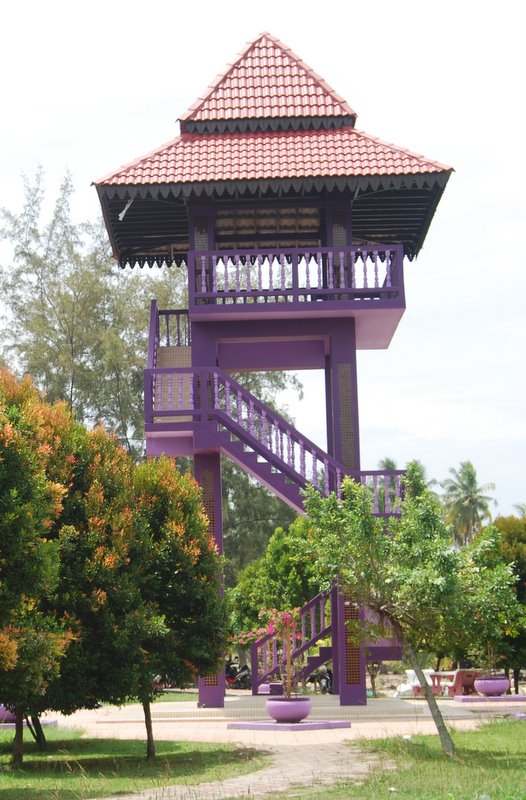 Did they get a cheap job lot?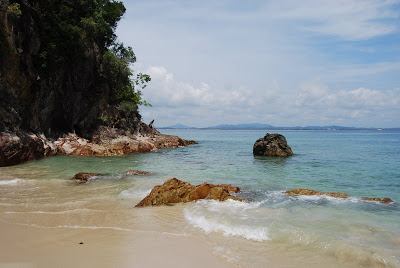
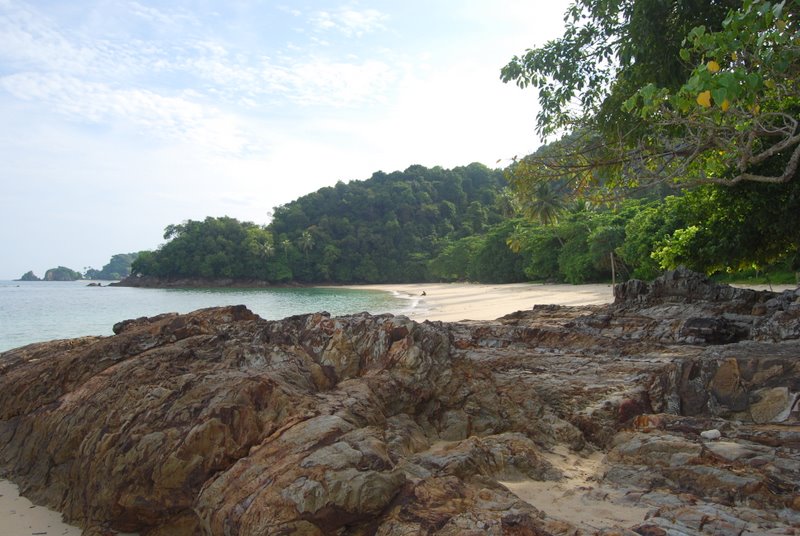
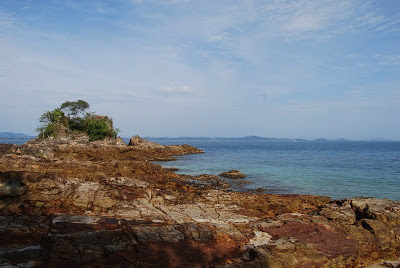
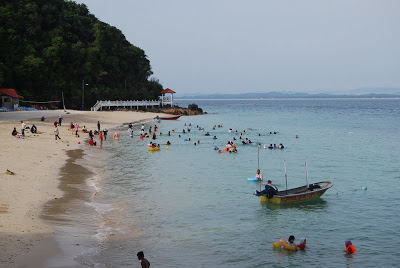
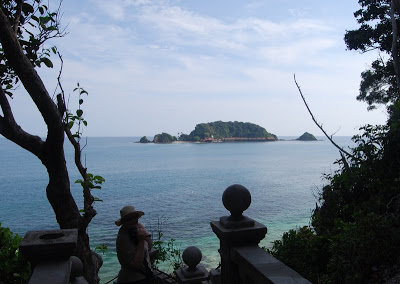 We just spent the weekend away on a small island off the east coast. It was actually the family day (Photo No.9) of the Science Faculty of the University where my husband works.
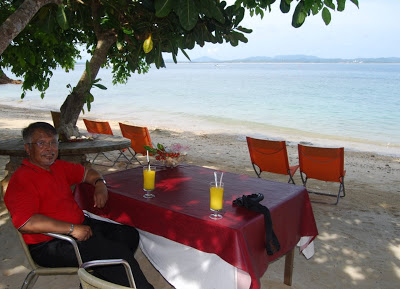
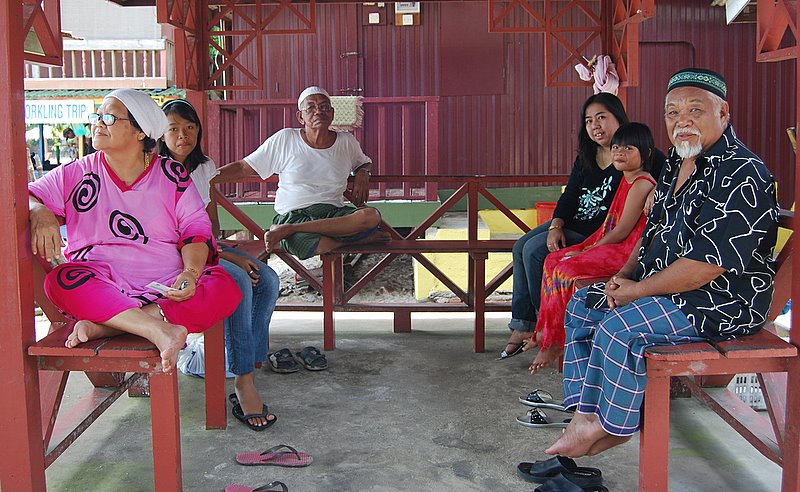 I was feeling lousy most of the time with my friend the virus, so it wasn’t an unqualified success…still, a pretty spot. And there were compensations: who can better sitting on the beachside tables of the Qimi resort with a mango ice blended on the table? (Photo No.7). Beats staying in bed feeling sorry for oneself!